AOD 9604 Peptide Buy Guide for Lab Research
Explore our AOD 9604 peptide buy guide for researchers. Learn to verify COAs, ensure RUO compliance, and manage cold-chain storage for lab integrity.
Most advice around an AOD 9604 peptide buy starts with availability, pricing, or fat-loss claims. That order of priorities is backwards for a laboratory. The first question isn't whether a vial can be found online. It's whether the material can be legally procured for the stated research purpose, identified against a defined molecular profile, supported by batch-specific documentation, and transported without compromising integrity.
AOD-9604 has a complicated evidence history. It was developed as an obesity candidate, but the human trial didn't show significant weight loss versus placebo, and the program ended without a path to standard obesity approval in the peer-reviewed clinical review. For R&D teams, that history changes the buying decision. Procurement should support controlled laboratory investigation, not reproduce consumer marketing language or imply a therapeutic application.
Navigating the Regulatory Reality of Peptide Procurement
Search results often treat AOD-9604 as a consumer fat-loss product. That framing doesn't establish lawful clinical access, and it doesn't tell a laboratory whether a supplier's documentation will withstand institutional review. AOD-9604 isn't FDA-approved for any therapeutic indication, while FDA language has flagged compounded drugs containing AOD-9604 as potentially posing significant immunogenicity risk for certain administration routes as summarized in this regulatory analysis.
A research purchase therefore needs a clear boundary. A product labeled Research Use Only, or RUO, should be acquired for lawful laboratory investigation, with no representation that it is a drug, treatment, supplement, or product intended for administration to people or animals. A change in regulatory classification or review status doesn't automatically create therapeutic approval, validate efficacy, or remove the need for institutional oversight.
Procurement starts with a compliance gate
Before a purchase order is issued, a laboratory should document:
- Research purpose: The protocol should identify the assay, model, or analytical objective without therapeutic language.
- Purchasing authority: The buyer should confirm that the institution permits the selected supplier and compound category.
- Documentation access: The supplier should make the exact lot's specifications and Certificate of Analysis available for review.
- Marketing boundaries: Product pages should avoid weight-loss promises, patient outcomes, testimonials, and human administration instructions.
- Receiving controls: The laboratory should have a designated person, storage location, and deviation process before shipment arrives.
This approach separates an online search from an auditable procurement decision. A supplier that emphasizes rapid checkout but can't provide lot-linked identity data creates more downstream risk than a supplier that requires additional verification before accepting an order.
Practical rule: Treat “available to buy” and “appropriate for institutional research” as separate questions.
The strongest buying record connects the purchase order, supplier terms, lot number, shipping conditions, receiving inspection, storage entry, and experimental record. That chain won't resolve the molecule's clinical limitations, but it can prevent a basic sourcing failure from being mistaken for a biological result.
Molecular Identifiers and Preclinical Mechanisms
A product name is insufficient for identity control. DrugBank describes AOD-9604 as a 16-amino-acid peptide modeled on a fragment of human growth hormone, with literature suggesting direct action on osteoblasts and possible relevance to bone biology in preclinical studies, as recorded in DrugBank's AOD-9604 entry. The compound is also listed with molecular formula C78H123N23O23S2 and CAS registry number 221231-10-3 in the ChemicalBook compound record.
These identifiers should agree across the quotation, purchase order, vial label, COA, inventory record, and assay documentation. A discrepancy does not establish that the material is incorrect, but it warrants a release hold until the supplier explains it. For laboratory procurement, identity is therefore a traceability problem as much as a chemical one.
Mechanistic evidence requires a narrower interpretation. The available discussion does not establish a complete human pharmacology model. It describes an incompletely understood mechanism and reports that, in obese mice, AOD-9604 may partly restore suppressed beta-3 adrenergic receptor RNA expression. The same discussion states that the compound does not appear to be a high-affinity antagonist of the growth hormone receptor and does not reproduce every growth hormone effect, including IGF-1 production, according to the cited mechanistic discussion.
Those boundaries should shape experimental design. Mouse findings may support a hypothesis concerning adipose biology and beta-3 adrenergic receptor expression. Reported osteoblast activity supports a separate cell or tissue investigation, not a generalized claim about human outcomes. Cell-based experiments should measure the chosen endpoint directly, with suitable controls, rather than infer an entire pathway from a product description. Mechanistic plausibility also cannot replace mass confirmation, chromatographic assessment, or lot-specific documentation.
The protocol should state which observation is being tested and how the result will be interpreted. A research team should not convert an animal observation into a clinical claim.
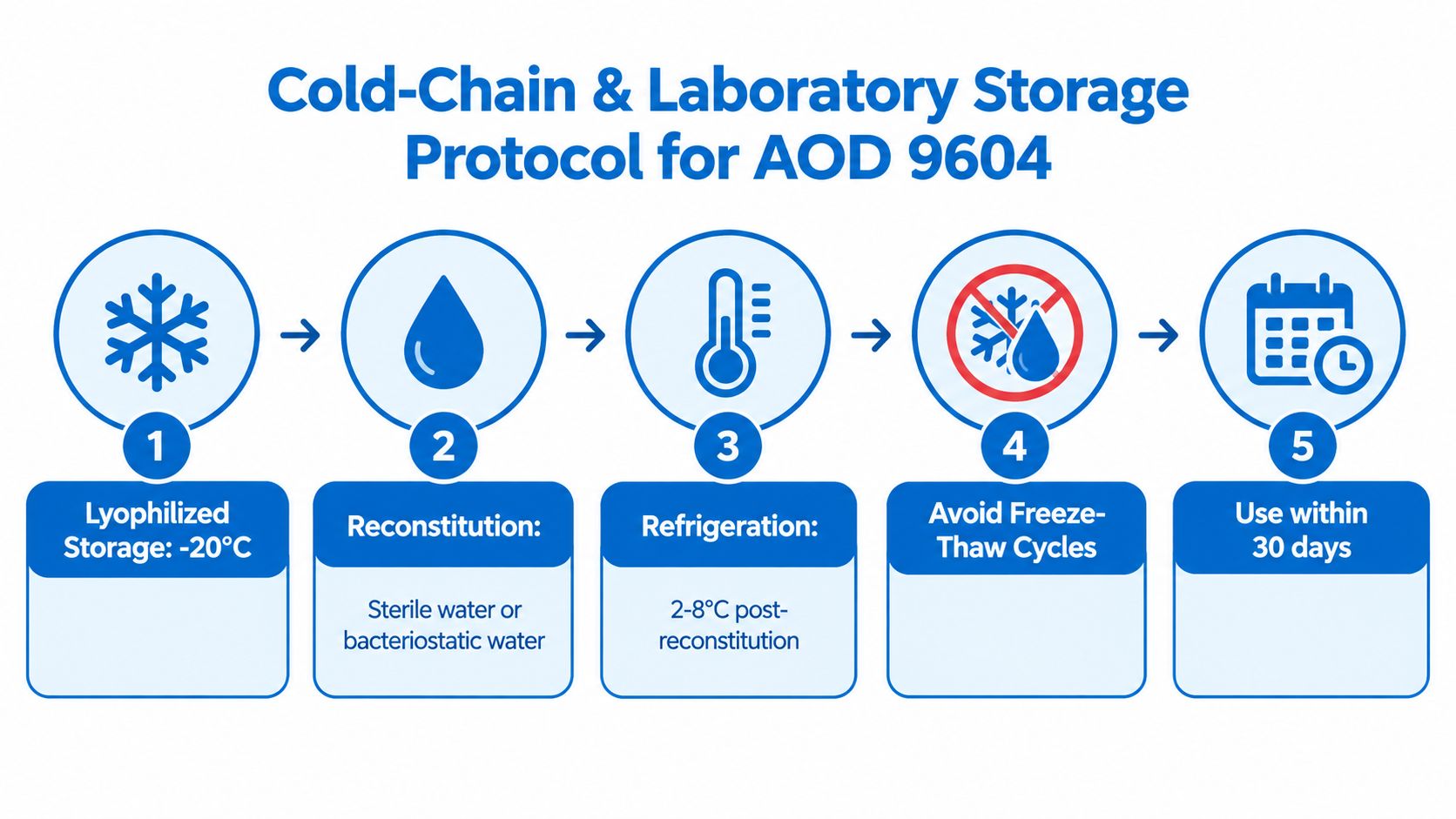
The visual's handling sequence is a laboratory workflow, not a human-use protocol. Reconstitution, refrigerated holding, and sample preparation belong in a controlled SOP covering approved materials, container compatibility, and a documented stability rationale.
A concise visual introduction may support onboarding, provided it does not replace primary documentation:
Evaluating Certificates of Analysis for Batch Integrity
A Certificate of Analysis is useful only when it describes the lot being received. A generic purity statement attached to several products doesn't establish that the specific vial matches the claimed identity, contains the declared material, or has been tested for relevant contaminants.
The review should begin with traceability. The COA should show a batch or lot identifier that matches the container and shipping record, along with the compound name, test date, laboratory identity, and an unambiguous relationship to the product specification. If any of those links are missing, the laboratory should place the material on hold rather than treating the document as complete.
Seven checks that support release decisions
The following categories give procurement and laboratory staff a practical review structure:
| Testing Category | Analytical Method | Verification Purpose |
|---|---|---|
| Identity | Mass spectrometry and orthogonal confirmation | Checks that the detected molecular mass is consistent with the intended compound |
| Purity | HPLC or UPLC chromatographic profile | Assesses the principal peak and visible related impurities |
| Net content | Gravimetric or validated content measurement | Confirms that the container's declared amount is documented |
| Sterility | Validated sterility testing where applicable | Determines whether the tested material meets the stated microbiological specification |
| Endotoxins | Endotoxin assay | Identifies bacterial endotoxin contamination relevant to laboratory handling and assay interpretation |
| Heavy metals | Elemental analysis | Screens for inorganic contaminants that could interfere with sensitive experiments |
| Conformity | Specification review and lot comparison | Confirms alignment among label, formula, sequence, packaging, and release criteria |
HPLC and mass spectrometry answer different questions. HPLC can reveal a dominant chromatographic peak and related species, but a peak's presence alone doesn't establish sequence identity. Mass spectrometry can support molecular-mass confirmation, yet it also shouldn't be interpreted as a complete purity assessment. Together, with coherent sample and lot records, the methods provide a stronger identity and impurity picture.
Reading the report rather than the headline
A laboratory reviewer should look for the actual result, method, acceptance criterion, and laboratory sign-off. “High purity” without a chromatogram, test method, or batch reference is a marketing phrase, not a complete analytical record.
The reviewer should also distinguish sterility testing from a claim that a material is suitable for administration. Research-grade documentation can support laboratory risk assessment, but it doesn't transform an RUO compound into an approved sterile pharmaceutical product. The same principle applies to endotoxin and heavy-metal results. These tests can inform experimental controls, but they don't erase regulatory restrictions.
Release material only when the lot identity, analytical results, and intended research application agree.
For sensitive molecular biology work, the COA should be filed with the protocol and retained under the laboratory's document-control system. If the material produces an unexpected assay result, the team can then compare the experiment against the lot record instead of relying on an untraceable product description.
Cold-Chain Logistics and Laboratory Storage Protocols
Cold-chain control begins before dispatch, not at the freezer. Before releasing an order, the laboratory should confirm shipping conditions, expected transit time, receiving hours, and available storage. Moisture, light, temperature changes, and repeated vial opening can all affect material integrity, so each exposure point requires a defined control.
For lyophilized AOD-9604, the applicable storage principle is cold, dry, and dark handling, as described in the AOD-9604 stability profile. Long-term storage is commonly specified at about -20°C, with usable periods often reported in the 12 to 24 month range or longer when the container remains sealed, protected from light, and dry.
Receiving should function as a documented release check:
- Inspect the shipment: Record packaging condition, vial labels, seals, temperature indicators, and evidence of transit exposure.
- Reconcile the lot: Match the vial and invoice with the purchase order and COA before adding the material to inventory.
- Protect the powder: Keep the sealed lyophilized container dry and shielded from light.
- Control openings: Plan aliquoting and preparation to limit contact with ambient humidity.
- Record deviations: Quarantine material with damaged seals, condensation, missing records, or unexplained temperature excursions until reviewed.
Reconstitution changes the storage requirement. Guidance generally shifts to 2 to 8°C, with stability measured in weeks rather than months. Procurement quantities should therefore follow the sample-preparation schedule. Ordering more material than the laboratory can reconstitute and use within its defined window increases waste and may introduce differences between experiments.
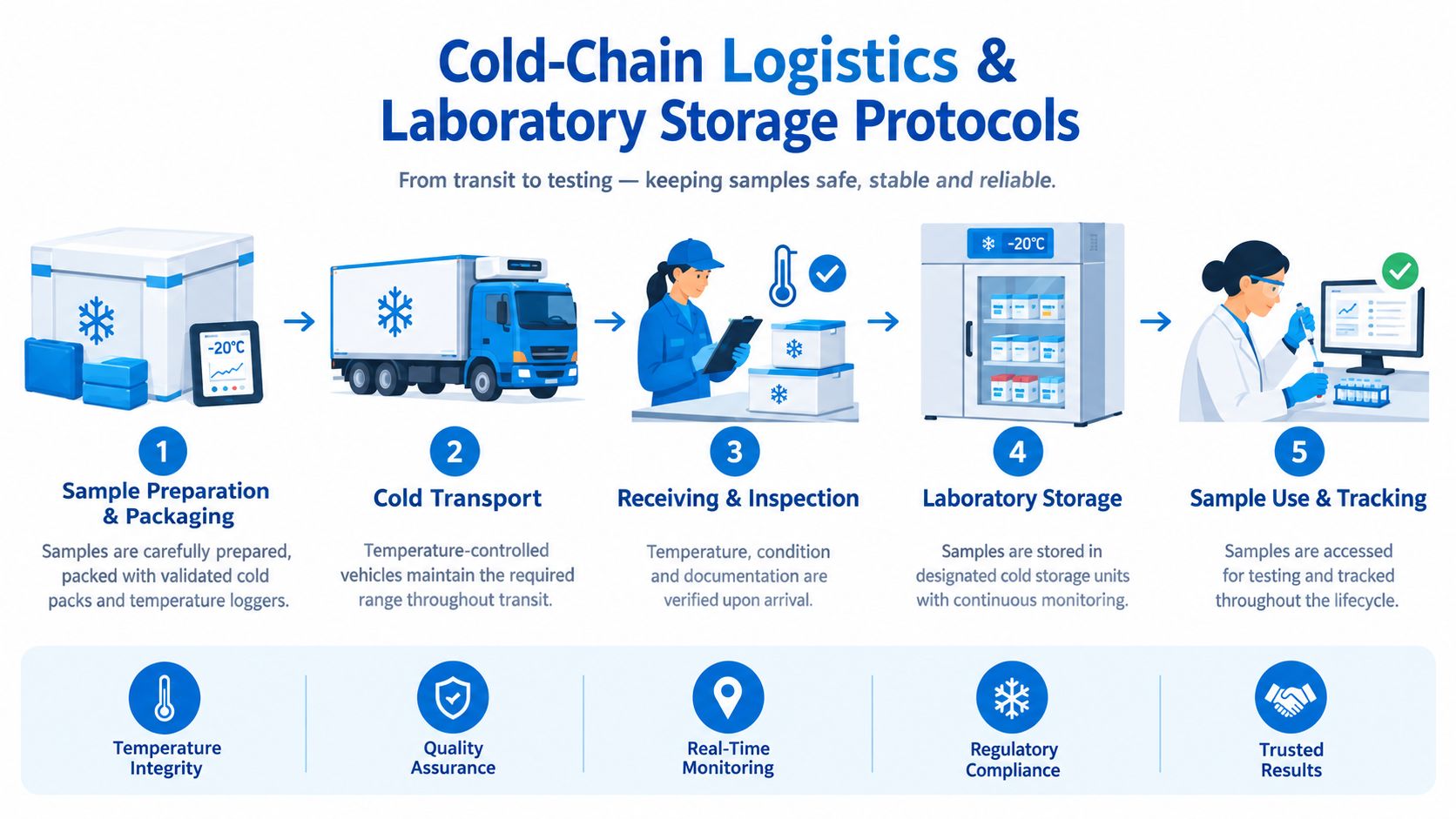
Cold-chain capability does not replace inventory discipline. Transit protection has limited value if freezer access, exposure time, container handling, and post-reconstitution scheduling remain undocumented.
Freeze-thaw history should be recorded separately. Repeated cycles can accelerate degradation and make results harder to reproduce, particularly when several experimenters use one container. A controlled aliquoting plan, tested against the laboratory's actual workflow, provides stronger process control than repeatedly opening a shared vial.
Historical Clinical Data and Research Limitations
AOD-9604's human development record is more restrictive than consumer fat-loss pages imply. In Australia, Metabolic Pharmaceuticals ran six human trials between 2001 and 2006, enrolling 893 participants, then ended the program in 2007 after a larger Phase IIb study failed to show commercially viable weight-loss efficacy. The 24-week trial enrolled 536 subjects and did not demonstrate significant weight loss versus placebo, as summarized in the clinical development review.
That outcome ended the compound's route toward standard obesity approval. It does not close every preclinical research question, but it sets a clear boundary for how teams should characterize the clinical evidence. A laboratory protocol may investigate a mechanism without supporting a therapeutic claim.
What the history means for present-day research
The practical distinction is between studying a mechanism and validating a therapy. Animal and cell findings can support experiments on adipose signaling, receptor expression, or osteoblast biology. They cannot establish meaningful human efficacy when the clinical program failed to show significant weight loss against placebo.
For R&D planning, the historical record supports four controls:
- Define a narrow endpoint: Measure a specified molecular, cellular, or biochemical response instead of using broad fat-loss terminology.
- Preserve the comparator: Use appropriate controls to separate any observed signal from vehicle, handling, or assay effects.
- Avoid translational overreach: Do not infer a clinical outcome from an in-vivo animal response.
- Document the evidence class: Label observations as in-vitro, animal, or clinical, and keep those categories separate in reports.
This history also explains the need for regulatory restraint. A compound can remain scientifically relevant without becoming an approved medicine. Weak or negative clinical evidence makes precise wording more important, because commercial descriptions can blur the line between a research hypothesis and an established therapeutic effect.
A failed clinical development program does not make laboratory research irrelevant. It makes evidence classification more important.
Procurement teams should ask whether the planned experiment addresses an unresolved scientific question and whether the material's identity, lot records, and intended research use are documented. Purchasing a peptide because consumer pages describe it as a fat-loss compound does not establish a defensible R&D rationale.
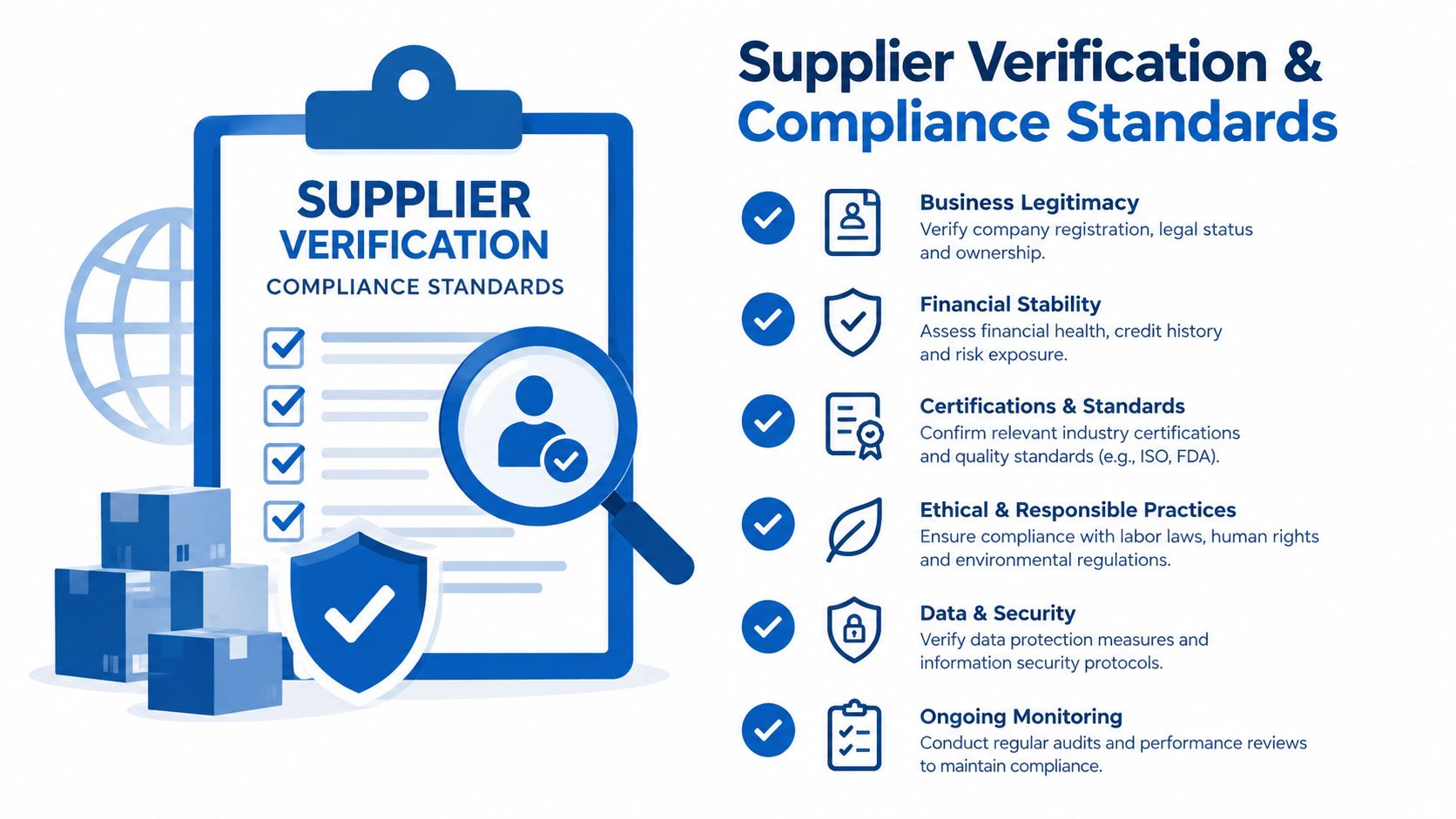
Supplier Verification and Compliance Standards
Supplier qualification should test documented controls rather than website presentation. Before committing funds, an R&D team should be able to obtain the compound identity, formulation, storage requirements, lot records, and research-use-only terms. A polished product page does not replace traceability.
Questions for supplier qualification
Procurement staff can assess a vendor using these criteria:
- Batch documentation: Is the COA linked to the exact lot, and can the laboratory retain it for audit purposes?
- Analytical scope: Does the supplier specify testing for identity, purity, net content, sterility, endotoxins, heavy metals, and conformity?
- Processing workflow: Is the order-processing window clear enough to plan receiving and any temperature-controlled shipment?
- Packaging options: Can the vendor provide packaging suited to the formulation and transit sensitivity?
- Compliance gating: Does the site apply age verification and state that products are intended only for lawful laboratory research?
- Support channel: Can staff obtain product records and shipping updates through a documented support process rather than informal messages?
Rapid processing can shorten the interval between order acceptance and dispatch, but release controls should determine shipment timing. Standardized packaging may simplify inventory planning, while cold-chain handling can limit temperature exposure during transit. These features do not replace receiving inspection, lot reconciliation, or review of the accompanying COA.
Pro Tec Pep is one procurement option for laboratories seeking batch-linked COAs, research-use-only policies, age verification, optional cold-chain handling, and rapid order processing. Its catalog lists AOD-9604 and other research compounds, with product information organized around identifiers, storage details, and laboratory specifications.
Keep the audit trail intact
Record the protocol reference, vendor rationale, product identity, lot number, COA, shipping method, and storage destination in the purchasing file. A change in documentation, packaging, or regulatory language should trigger vendor reassessment rather than an assumption that prior qualification still applies.
An AOD 9604 peptide buy is defensible only when the delivered material has traceable identity, documented handling, and a research purpose within institutional and legal boundaries.
Research teams can review Pro Tec Pep for AOD-9604 research materials, batch-linked documentation, RUO purchasing controls, and logistics options suited to laboratory workflows. Before submitting an order, procurement staff should confirm the protocol, verify the lot documentation, and arrange appropriate cold-chain receiving and storage.